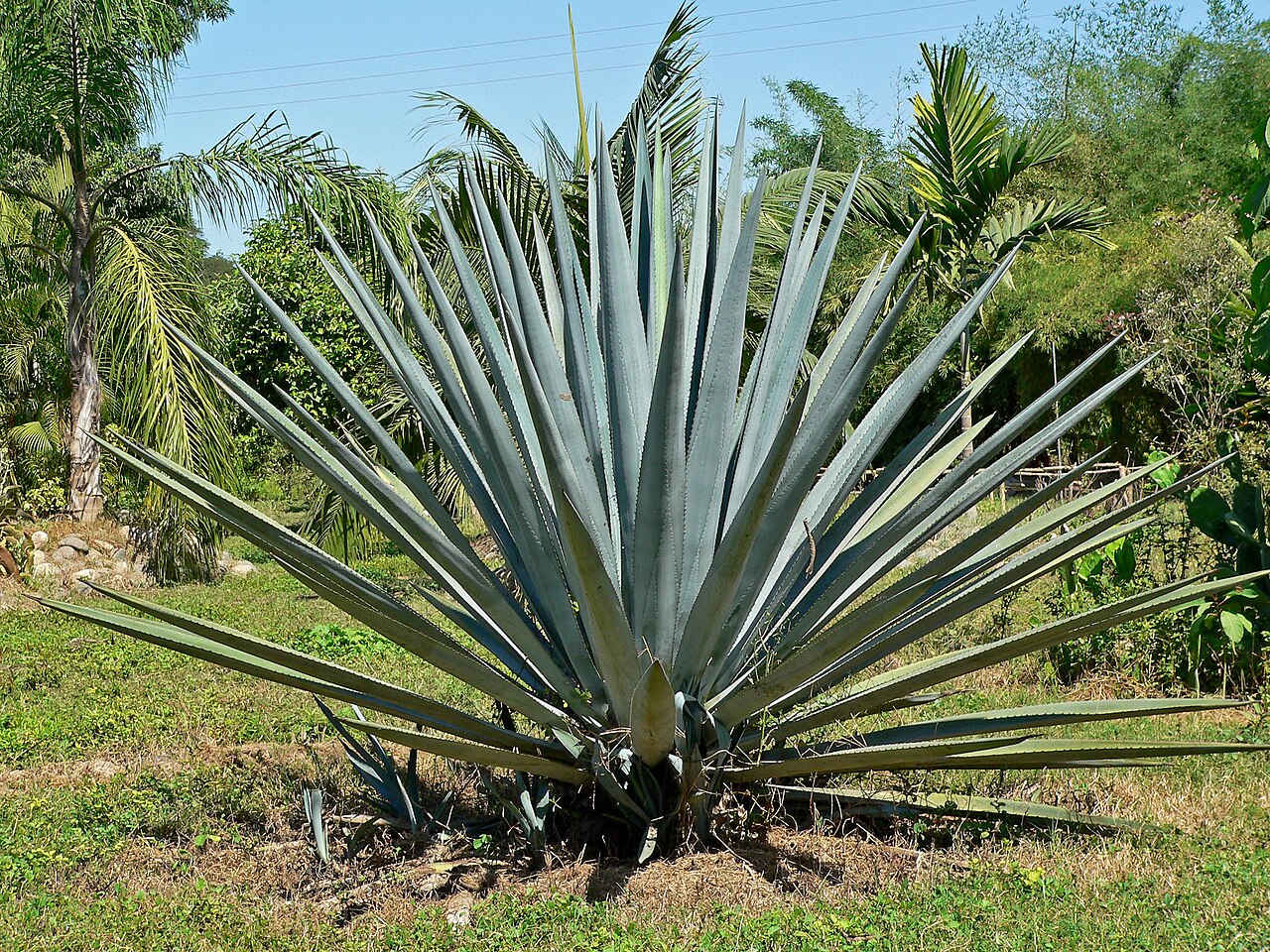
Agave: The Desert Succulent Plant Used in Tequila
The vast, sun-drenched landscapes of Mexico hold a secret to one of the world's most beloved spirits: tequila. At the heart of this iconic beverage is the agave plant, a remarkable desert succulent that embodies resilience, tradition, and exquisite flavor. Often mistaken for a cactus due to its spiky appearance and arid habitat, the agave is, in fact, a member of the Asparagaceae family, a cousin to lilies and asparagus. It is this unique
desert plant used in tequila production that transforms harsh environments into liquid gold, telling a story of ancient traditions meeting modern enjoyment. Understanding the agave is to understand tequila itself – its origins, its complexities, and the painstaking craftsmanship required to bring it to your glass.
The Agave Plant: A Marvel of the Desert Ecosystem
The agave is a truly fascinating botanical specimen, perfectly adapted to thrive in the challenging conditions of the desert. Visually, it's striking: a large rosette of thick, fleshy leaves, often with sharp spines along the edges and a formidable spike at the tip. These leaves, which can grow several feet long, are crucial for water storage, allowing the plant to endure extended droughts. While there are over 200 species of agave, only one holds the prestigious title for authentic tequila production: the *Agave tequilana Weber Azul* – or Blue Weber Agave.
Native primarily to the highlands of Jalisco, Mexico, this specific variety is lauded for its high concentration of fructans, complex sugars that are essential for fermentation. The plant's life cycle is long and arduous. It typically takes between six to ten years for a blue agave plant to mature, accumulating these precious sugars in its core. During this period, the plant stores energy, eventually preparing for a dramatic flowering event, where it sends up a towering stalk called a 'quiote' that can reach up to 20 feet. This stalk, if left to flower, drains the plant of its sugars, making it unsuitable for tequila. Thus, in cultivation, the quiote is typically cut off to ensure all energy remains in the 'piña,' the pineapple-like heart of the plant. This careful management highlights the deep knowledge and respect for this extraordinary
spiny-leaved desert plant of tequila.
From Desert Soil to Tequila Spirit: The Production Journey
The transformation of the raw agave plant into the refined spirit of tequila is a testament to time-honored practices and meticulous attention to detail. It begins with the *jima*, the harvest, performed by skilled laborers known as *jimadores*. These dedicated individuals wield a specialized tool called a *coa de jima* to expertly trim the spiky leaves, revealing the magnificent, heavy piña beneath. A single piña can weigh anywhere from 80 to 200 pounds, packed with the vital fructans.
Once harvested, the piñas are transported to the distillery where they undergo a series of crucial steps. First, they are typically roasted in large ovens (traditional brick ovens or modern autoclaves). This cooking process, which can take several days, serves a dual purpose: it softens the piña and, more importantly, hydrolyzes the complex fructans into simpler, fermentable sugars. The distinct caramel and earthy notes of cooked agave begin to emerge during this stage, contributing significantly to tequila's flavor profile.
After cooking, the softened piñas are shredded or milled to extract the sugary juice, known as *mosto*. This mosto is then transferred to fermentation tanks where yeast is added. The yeast consumes the sugars, converting them into alcohol and other compounds that define tequila's character. This fermentation can last several days, leading to a low-alcohol liquid. Finally, this liquid undergoes distillation, usually twice, in copper or stainless steel stills. The first distillation produces a cloudy, low-proof liquid, while the second refines it, yielding the clear, potent tequila we recognize. From here, the tequila may be bottled as *Blanco* (silver) or aged in oak barrels to become *Reposado*, *Añejo*, or *Extra Añejo*, each with its own unique color and flavor complexity. It's a journey that truly showcases the magic behind your favorite spirit, all thanks to this essential
agave desert plant.
Beyond Tequila: The Versatility of Agave
While tequila undoubtedly claims the spotlight, the agave plant's utility extends far beyond this celebrated spirit. For millennia, indigenous cultures have revered agave for its incredible versatility, utilizing almost every part of the plant.
One of its most popular modern applications is agave nectar or agave syrup. This natural sweetener, extracted from the piña before fermentation, is known for its low glycemic index and is a popular alternative to sugar or honey. Agave is also the foundational ingredient for mezcal, another distinguished agave spirit. While tequila must be made exclusively from Blue Weber Agave in specific regions, mezcal can be produced from over 30 different agave species, resulting in a broader range of smoky and earthy flavor profiles.
Historically, agave fibers have been incredibly important. Species like *Agave sisalana* (Sisal) and *Agave fourcroydes* (Henequen) are cultivated for their strong, durable fibers used in ropes, twine, carpets, and even clothing. The plant's leaves were also used for roofing, and the sap (aguamiel) was fermented to produce *pulque*, an ancient alcoholic beverage. Even the sharp spines were historically used as needles, and the leaves as paper or food wrappers. This rich history underscores the agave's profound significance as more than just a source of alcohol, but as a staple resource for survival and craftsmanship in arid regions.
Cultivating Agave: Tips for Sustainable Growth and Appreciation
The rising global demand for tequila and other agave products has put significant pressure on agave cultivation. Sustainable practices are crucial to ensure the long-term health of the agave fields and the livelihoods of the communities that depend on them. Here are some insights and tips:
*
Support 100% Agave Tequila: Always look for "100% Agave" or "100% Puro de Agave" on the label. This guarantees that your tequila is made exclusively from Blue Weber Agave, without added sugars or other spirits, ensuring a higher quality product and supporting pure agave cultivation.
*
Understand Terroir: Just like wine, the region where agave is grown significantly impacts its flavor. Highland agaves (from regions like Los Altos de Jalisco) often produce sweeter, fruitier tequilas, while lowland agaves (from El Valle) tend to yield earthier, more peppery notes.
*
Consider Agave in Your Garden: If you live in a suitable climate (USDA zones 8-11), many agave species make stunning, low-maintenance ornamental plants. They are drought-tolerant and add a dramatic architectural element to landscapes. Just be mindful of their sharp spines!
*
Advocate for Biodiversity: Monoculture (growing only one crop) can make agave fields susceptible to pests and diseases. Supporting producers who implement sustainable farming practices, including crop rotation and ecological pest control, helps maintain biodiversity and the health of the agave ecosystem.
*
Appreciate the Craft: Remember the decade-long journey each agave plant undergoes and the hard work of the jimadores. Each sip of tequila is a culmination of nature's patience and human dedication, making it far more than just a drink.
Conclusion
The agave plant stands as a testament to the ingenuity of nature and the enduring spirit of human tradition. From its impressive adaptation to the harsh desert environment to its meticulous cultivation and transformation into one of the world's most cherished spirits, the story of agave is rich with heritage and flavor. As the quintessential
desert plant used in tequila production, it not only defines an industry but also sustains ecosystems and cultural identities. The next time you raise a glass of tequila, take a moment to appreciate the remarkable succulent that made it all possible – a true marvel of the desert.