The Unsung Hero: Unveiling the Desert Plant Behind Tequila
When you raise a glass of fine tequila, savoring its complex flavors and smooth finish, do you ever pause to consider its humble origins? Beyond the distillery and the barrel, the true magic begins in the sun-drenched, rugged landscapes of Mexico, where a remarkable organism thrives: the agave. This extraordinary desert plant is not merely an ingredient; it is the very heart and soul of tequila, a testament to nature's resilience and human ingenuity. In this article, we'll delve deep into the world of the agave, exploring its unique characteristics, its vital role in tequila production, and its broader significance as the essential
desert plant used in tequila production.
A Desert Marvel Unveiled: The Agave's Botanical Profile
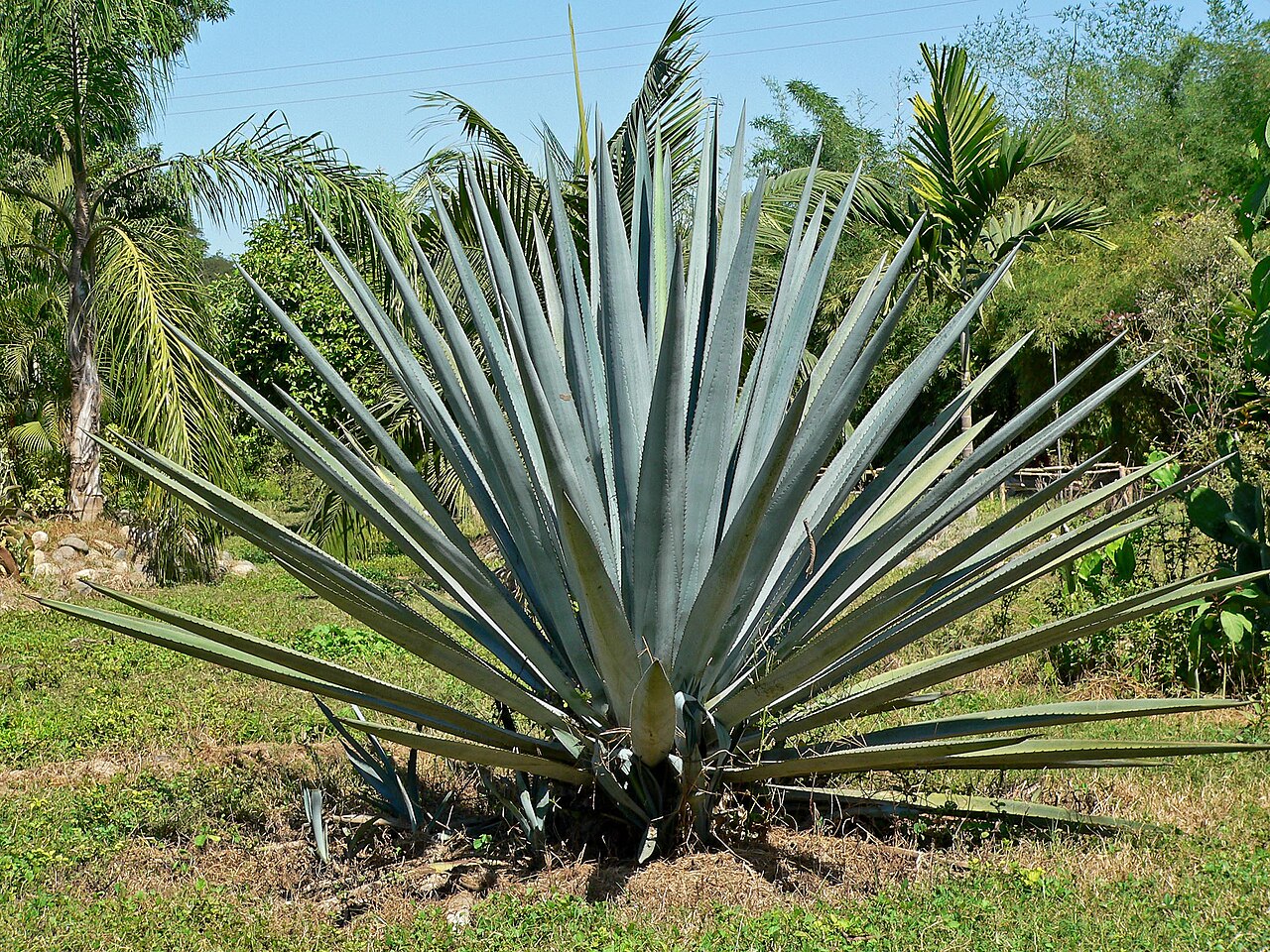
The agave, often mistakenly called a cactus, is in fact a succulent from the Asparagaceae family (which also includes asparagus and hostas). Its appearance is striking and instantly recognizable: a dramatic rosette of thick, fleshy leaves, typically blue-green to silvery-gray, that can grow impressively large, sometimes spanning several feet in diameter. Each leaf is armed with sharp, spiny margins and a formidable terminal spine, a clear adaptation for survival in harsh, arid environments.
This resilient plant is a master of water conservation, storing precious moisture within its succulent leaves, allowing it to endure prolonged droughts. What truly sets many agave species apart, especially the one destined for tequila, is its life cycle. Agaves are monocarpic, meaning they flower only once in their lifetime, after many years of growth – typically 8 to 12 years for tequila agave, sometimes even longer. During this grand finale, a colossal flower stalk, known as a "quiote," emerges from the center of the rosette, soaring skyward, sometimes reaching heights of 20 feet or more. This spectacular bloom expends all the plant's stored energy, and soon after, the plant dies. However, in the realm of tequila, the quiote is usually removed to ensure all the plant's sugars concentrate in the *piña*, or heart, for maximum tequila production.
While various agave species are native to the southern US and tropical America, the undisputed star for tequila is the Blue Weber Agave (
Agave tequilana Weber var. azul). This specific varietal thrives in the rich volcanic soils and distinct microclimates of Jalisco, Mexico, and certain surrounding regions. Its unique sugar profile is what gives tequila its distinctive character. For a more in-depth look at its unique morphology and vital role, explore
Unveiling Agave: The Spiny-Leaved Desert Plant of Tequila.
From Desert Earth to Liquid Gold: The Tequila Transformation
The journey from a spiny desert succulent to a celebrated spirit is a meticulously crafted process, steeped in tradition and skill. It highlights the profound connection between the land, the plant, and the people.
The Chosen One: Blue Weber Agave and its Cultivation
Not just any agave will do for tequila. Mexican law dictates that authentic tequila must be made exclusively from the Blue Weber Agave. These plants are cultivated with immense care over many years. Farmers plant agave pups (small clones) which will mature over nearly a decade, absorbing the unique minerals from the soil and developing the complex sugars essential for tequila. The longer the plant matures, the more concentrated and flavorful its sugars become, contributing to a richer final product.
The Art of the Jimador: Harvest and the Piña
The harvest of the agave is a highly skilled art form, carried out by specialized laborers known as "jimadores." Armed with a coa, a long-handled tool with a sharp, circular blade, jimadores expertly trim away the agave's spiny leaves, or "pencas," revealing the central core. This core, resembling a giant pineapple, is called the "piña." Weighing anywhere from 80 to over 200 pounds, these dense, starchy hearts are packed with fructans – complex carbohydrates that will later be converted into fermentable sugars. This labor-intensive process is crucial, as the quality of the cut piña directly impacts the tequila's flavor. The precision and knowledge passed down through generations of jimadores are central to maintaining the integrity and tradition of tequila.
The Alchemy: Roasting, Fermentation, and Distillation
Once harvested, the piñas begin their transformation:
- Roasting: The piñas are traditionally slow-roasted in large stone ovens (hornos) or steam-baked in autoclaves for several days. This crucial step softens the agave and, more importantly, hydrolyzes the fructans into simpler, fermentable sugars like fructose. This cooking process also imparts many of the cooked agave notes – sweet, earthy, and sometimes smoky – that are characteristic of tequila.
- Shredding & Juicing: After roasting, the softened piñas are crushed or shredded, traditionally by a large stone wheel called a "tahona" or more commonly by mechanical mills, to extract their sugary juice, known as "mosto."
- Fermentation: The mosto is then transferred to fermentation tanks, where yeast is added. The yeast consumes the sugars, converting them into alcohol and carbon dioxide. This fermentation can last several days, influenced by temperature, yeast strain, and other environmental factors, all contributing to the developing flavor profile.
- Distillation: The fermented liquid, now a low-alcohol "agave wine," is then distilled, typically twice, in pot stills or column stills. Distillation separates the alcohol from water and other compounds, concentrating the spirit and purifying it, resulting in tequila. The initial distillation produces "ordinario," which is then distilled a second time to reach the desired alcohol content and smoothness.
The resulting clear spirit is known as Blanco or Plata tequila, often bottled immediately to capture the pure essence of the agave. Some tequilas are then aged in oak barrels to produce Reposado (2 months to 1 year), Añejo (1 to 3 years), or Extra Añejo (over 3 years), gaining color, smoothness, and complex flavors from the wood.
Beyond the Bottle: The Multifaceted Legacy of the Agave
While its role as the source of tequila is globally recognized, the agave is a remarkably versatile plant with a rich history of uses far beyond the distillery. This incredible
desert plant used in tequila production also sustains life and provides resources in numerous other ways.
Other Spirits and Sweeteners
Tequila is just one spirit derived from agave. Mezcal, another agave spirit, is distinct in that it can be made from various agave species (not just Blue Weber) and often involves a more rustic, smoky roasting process in underground pits. Pulque, a traditional fermented beverage, is made from the sap (aguamiel) collected directly from the live agave plant, offering a nutritious, low-alcohol drink consumed since pre-Hispanic times. Agave nectar, a popular natural sweetener, is also extracted from the cooked agave piña, known for its lower glycemic index.
Ecological Considerations and Sustainability
The extensive cultivation of agave, particularly for tequila, comes with its own set of ecological challenges. Monoculture farming of Blue Weber Agave can reduce biodiversity and make plants more susceptible to pests and diseases. There are growing efforts within the industry to promote sustainable practices, including:
- Crop Rotation: Integrating other crops to improve soil health.
- Pest Management: Using organic methods to protect plants.
- Biodiversity: Encouraging the planting of diverse agave species and allowing some plants to flower to support bat populations, which are natural pollinators for agave.
- Responsible Water Use: Implementing efficient irrigation techniques.
Consumers play a role too. By choosing tequilas from distilleries committed to sustainable practices and 100% agave products, we support a healthier ecosystem and a more robust future for this indispensable desert plant. Delve deeper into the botanical wonders of this incredible plant with our article,
Agave: The Desert Succulent Plant Used in Tequila.
Appreciating Your Tequila: A Nod to the Desert Plant
The next time you enjoy a glass of tequila, take a moment to appreciate the incredible journey that brought it to your palate. From a spiny, resilient desert plant enduring harsh conditions for years, to the skilled hands of the jimadores, and through a complex process of roasting, fermenting, and distilling, the agave is truly the unsung hero. Understanding its story enhances the appreciation of tequila as more than just a drink; it's a cultural heritage, a reflection of the land, and a celebration of human connection to nature. Choose 100% agave tequila to ensure you're experiencing the true essence of this magnificent desert plant.
In a world increasingly disconnected from its food and drink sources, the agave stands as a powerful reminder of the intricate beauty and profound effort that goes into creating something truly special. The
desert plant used in tequila production is not just an ingredient; it is a legacy, a living testament to the spirit of Mexico.