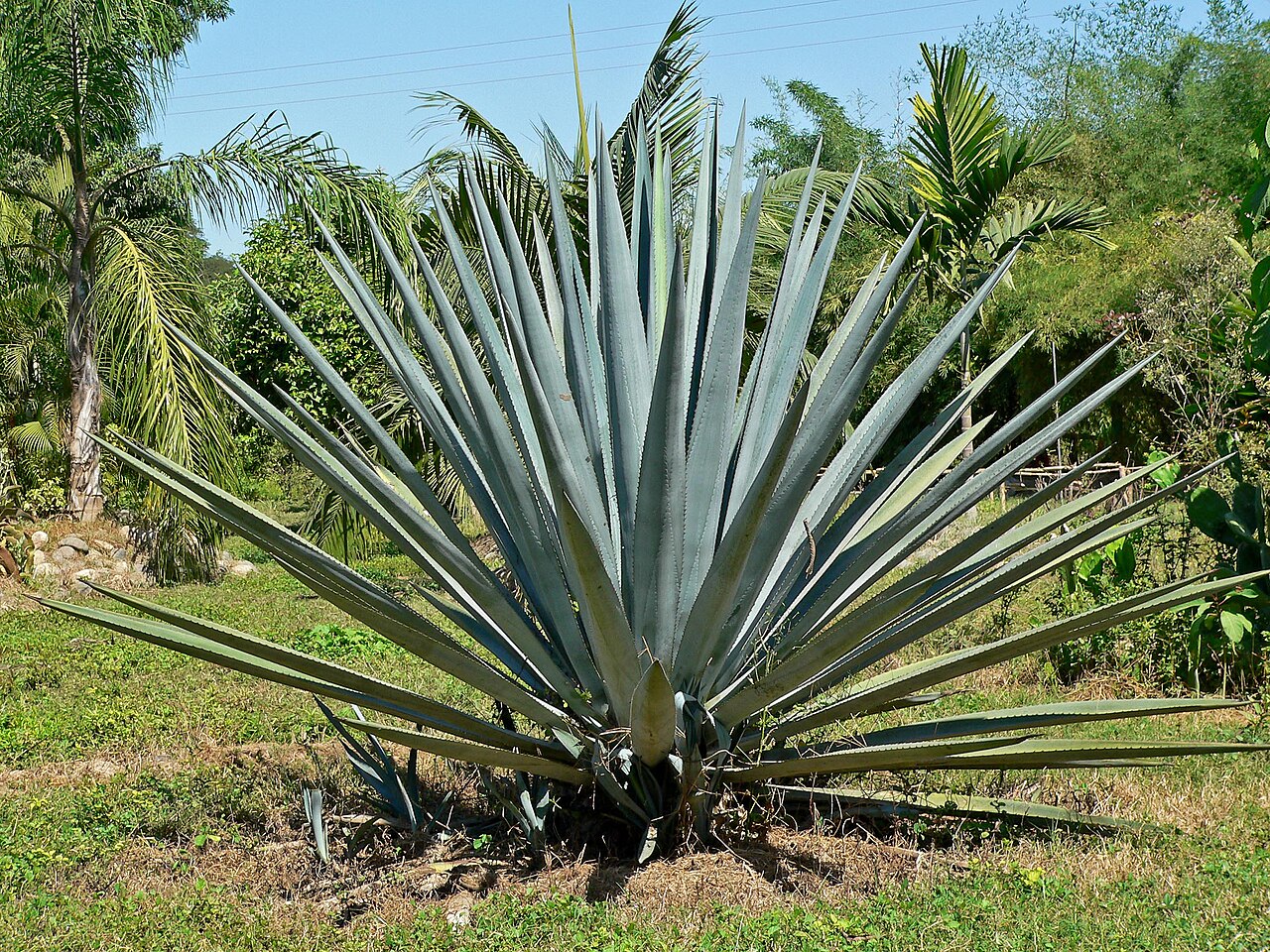
Unveiling Agave: The Spiny-Leaved Desert Plant of Tequila
When you sip a fine tequila, whether neat or in a vibrant cocktail, do you ever pause to consider its origins? Beyond the bustling bars and expert mixologists lies a story rooted deep in the arid landscapes of Mexico, centered around a truly extraordinary organism: the agave plant. Often mistaken for a cactus, this resilient succulent is in fact the definitive
desert plant used in tequila production, a botanical marvel that has shaped cultures, economies, and countless memorable experiences. Its unique characteristics, from its striking spiny leaves to its sugar-rich heart, make it an indispensable ingredient in one of the world's most beloved spirits.
The Agave's Remarkable Journey: From Desert Floor to Distillery
The agave plant, scientifically known as *Agave*, is a genus of succulents belonging to the Asparagaceae family, not Cactaceae as commonly believed. Native to the southern United States, Mexico, and tropical America, these plants are perfectly adapted to harsh, arid conditions, boasting a distinctive rosette of thick, fleshy leaves, often tipped with formidable spines. While there are over 200 species of agave, only one holds the coveted distinction for tequila production: the
Agave tequilana Weber azul, more famously known as the Blue Agave.
This particular species thrives in the volcanic, iron-rich soil of Mexico's Jalisco Highlands, a region boasting the perfect microclimate for its growth. Unlike most agricultural crops that mature quickly, the Blue Agave requires a patient wait, typically taking between 7 to 10 years, sometimes even longer, to reach full maturity. During this extended growth period, the plant meticulously stores vast quantities of fructans – complex carbohydrates – in its core, or "piña." This bulbous heart, resembling a giant pineapple after its leaves are meticulously trimmed, is the treasure trove from which tequila's magic is extracted. The laborious process of cultivating and harvesting this extraordinary
desert plant used in tequila production is a testament to tradition and dedicated craftsmanship. If you're eager to learn more about the plant itself, explore
Agave: The Desert Succulent Plant Used in Tequila.
The Art and Science of Tequila Production: Where Agave Shines
The journey from a mature agave piña to a bottle of tequila is a fascinating blend of ancient techniques and modern science, all orchestrated to unlock the unique flavors of this desert succulent.
-
Harvesting the Piña: The process begins with the *jimador*, a highly skilled agave farmer, who uses a specialized tool called a *coa* to precisely trim the leaves (pencas) from the mature plant, exposing the precious piña. This task requires immense strength, judgment, and knowledge to ensure only ripe piñas are harvested, maximizing sugar content and flavor potential.
-
Cooking and Transformation: Once harvested, the heavy piñas are transported to the distillery. Here, they undergo a crucial cooking process, traditionally in large brick ovens (*hornos*) or sometimes in modern autoclaves. Slow roasting for days breaks down the complex fructans into simpler, fermentable sugars, while also imparting unique caramelization notes that contribute to tequila's distinctive flavor profile. The cooked piñas, now soft and sweet, are shredded and pressed to extract their sugary juice, known as *aguamiel*.
-
Fermentation and Distillation: The aguamiel is then transferred to fermentation tanks, where yeast is introduced to convert the sugars into alcohol. This fermentation can last several days, influencing the final character of the tequila. Following fermentation, the liquid is distilled, typically twice, in either pot or column stills, to purify and concentrate the alcohol. This creates the raw, clear spirit known as Tequila Blanco or Silver Tequila.
-
Aging and Classification: While Blanco tequila is bottled immediately after distillation, many tequilas undergo an aging process in oak barrels. The duration and type of barrel impart distinct flavors, colors, and aromas, leading to different classifications:
- Blanco: Unaged, clear, with a pure agave flavor.
- Joven/Gold: A blend of Blanco and aged tequilas, or Blanco with added coloring/flavoring (often a "mixto").
- Reposado: Aged for 2 months to 1 year in oak barrels, acquiring a smoother taste and golden hue.
- Añejo: Aged for 1 to 3 years in smaller oak barrels, developing richer flavors and a darker color.
- Extra Añejo: Aged for over 3 years, offering complex, cognac-like characteristics.
It's important for connoisseurs and casual drinkers alike to note the distinction between "100% Agave" tequila and "Mixto" tequila. True tequila, by law, must contain at least 51% agave sugars, but 100% Agave tequila uses only sugars derived from the Blue Agave, resulting in a purer, more authentic flavor profile. When choosing your next bottle, always look for "100% Agave" or "100% Puro de Agave" on the label for the finest experience. For a deeper dive into the making of this spirit, consider reading
Behind Your Tequila: Meet the Essential Agave Desert Plant.
Beyond Tequila: Other Gifts of the Agave Plant
While its role as the quintessential
desert plant used in tequila production is paramount, the agave's utility extends far beyond this celebrated spirit. For centuries, various agave species have been a cornerstone of life and culture across Mexico and Central America, offering food, fiber, and other fermented beverages.
-
Mezcal: Often considered tequila's rustic cousin, mezcal can be made from over 30 different species of agave. The key distinction lies in the production process, particularly the cooking of the piñas, which are typically roasted in earthen pits, imparting a characteristic smoky flavor that sets mezcal apart from tequila.
-
Pulque: An ancient fermented beverage, pulque is derived from the fresh sap (*aguamiel*) of certain agave species, particularly *Agave salmiana* and *Agave mapisaga*. Unlike tequila, which is distilled, pulque is simply fermented, resulting in a viscous, milky, and slightly alcoholic drink that has been consumed for millennia.
-
Agave Nectar/Syrup: In recent years, agave nectar has gained popularity as a natural sweetener. Extracted from the aguamiel and processed into a syrup, it boasts a lower glycemic index than table sugar, making it an appealing alternative for some. However, it is primarily fructose, so moderation is still key.
-
Fibers and Crafts: The strong, durable fibers extracted from agave leaves have been used for thousands of years to create ropes, textiles, baskets, and paper. The leaves themselves were also traditionally used as roofing material, and the plant offered a valuable source of fuel in arid regions.
-
Ecological Importance: Agave plants play a vital role in their native ecosystems. Their extensive root systems help prevent soil erosion in arid landscapes, and their towering flower stalks, which appear once in a lifetime, provide nectar for bats and insects, acting as crucial pollinators.
The versatility of the agave truly underscores its significance, demonstrating how one remarkable desert plant can contribute so much to human culture, economy, and the natural environment.
Conclusion
From its spiny silhouette against a desert sunset to the complex flavors it imparts to a finely crafted spirit, the agave plant stands as a symbol of resilience, tradition, and exquisite taste. As the indispensable
desert plant used in tequila production, it embodies a journey from raw nature to refined art, demanding patience, skill, and respect at every stage. Next time you raise a glass of tequila, take a moment to appreciate the enduring legacy of this magnificent succulent, and the dedicated hands that transform its heart into a drink savored the world over. Its story is as rich and complex as the spirit it creates, a true testament to the power and bounty of the natural world.